Tens of thousands of people labeled fraudsters based on profiling and “suspected fraud”
RTL News
Tens of thousands of citizens had been suffering from “fraud suspicions” for years, tax authorities
RTL News/Pieter Klein · July 6, 2020 · Updated: July 7, 2020
In recent years, the tax authorities have labeled tens of thousands of people as fraudsters based on profiling and “suspected fraud”. This did not only happen with the childcare allowance — citizens also had to prove that they were not a fraud when it came to income tax.
They faced substantial additional taxes because previously approved deductions were rejected anyway. They also got a check mark after their names, and were confronted with extra control and supervision for years to come.
Obstructive tracking
This is evident from research by RTL News and Trouw, based on internal confidential documents, released documents and from conversations with (former) officials and citizens who have been and are at odds with the tax authorities for years. They partly came into their sights due to research that was supposed to “disrupt, stifle and prevent” possible abuse. “Obstructive monitoring of potential abusers” was the official starting point. At the time, this approach was Secretary of State Weekers informed in 2013, according to two recently made public presentations.

Read also
House wants access to secret documents dealing with fraud against the benefits affair
Under the national code name “project 1043”, the tax authorities wanted to combat “systemic fraud” in income tax since 2012. In practice, this was tantamount to singling out citizens who deducted high health care costs, gifts or pension provision expenses. Sometimes they were involved in fraud investigations because the tax authorities described their tax advisor as a “facilitator” of fraud, as someone who — possibly — organized abuse.
Project 1043: 'explosive'
MPs repeatedly asked for clarification about project 1043, but have not received any information so far. In The Hague, like the black lists, this project is called “explosive”. At the top of the tax authorities, it is feared that the benefits affair will spread to the entire tax authorities and that, after the tragedy with childcare surcharges, other citizens will also demand compensation for the service's “biased actions”. It is also feared that citizens will request files en masse.

Read also
Tax authorities promised: no punishment for officials due to the benefits affair
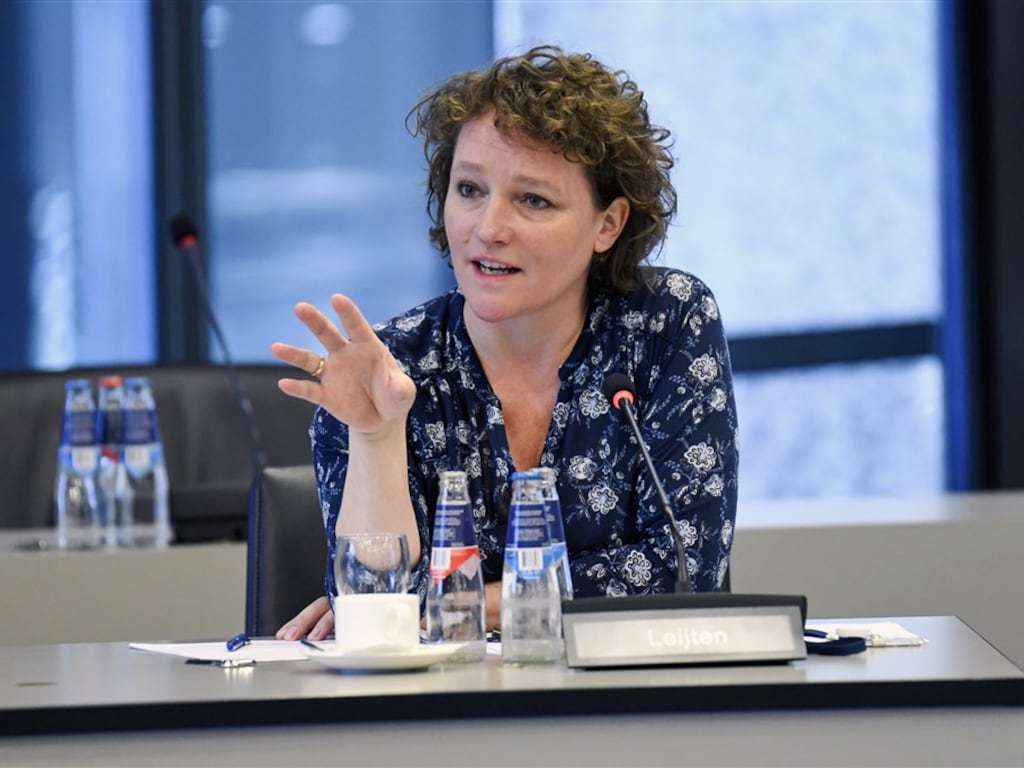
SP MP Renske Leijten says it's 'unfortunately no surprise that these types of lists exist at the tax authorities'. “What is painful is that this continued to exist after the benefits affair. You expect self-cleaning ability, but time and time again, media reveal that things are going wrong.” Leijten wants quick text and explanation. Pieter Omtzigt (CDA) wants a letter clarifying this week. “We asked about this several times. I don't want to have to ask questions again — like in the benefits affair — for two years. The signals are far too serious and I now want to know if the tax authorities have not complied with laws here either.”
'Different treatment desired'
Exactly how many people became involved in the project is not clear. The Ministry of Finance has not answered questions from RTL News and Trouw for almost two months. People first want to have an 'overall picture'. It is known that 150 to 200 tax advisors have been identified as a possible “facilitator” by the controversial Combiteam Approach Facilitators (CAF). Together, these facilitators had such 150,000 customers, who were faced with the tax authorities' tough approach to fraud. Confidential data from the tax authorities shows that the group may be much larger. RTL News and Trouw had access to overviews of national tax fraud projects. Between 2012 and 2018, more than 110,000 income tax returns due to risk selection were selected under the code name 1043, and that selection is labeled “fraud” and “different treatment desired”. What evidence of fraud the tax authorities currently have is completely unclear.

Read also
Compensation for parents in benefits affair significantly expanded
Discussions with tax advisors and citizens who became involved in the fraud project show that, just like in the benefits affair, the tax authorities reversed the burden of proof. Deductions were rejected by default, and evidence that they were justified was often not accepted. For example, the tax authorities rejected doctors' certificates when deducting health care costs, or receipts and statements from charities in the case of donations. In project 1043, evidence sent by citizens also regularly disappeared. What was necessary to prove deductions was often not said.
Not informing citizens
They were not told that citizens were involved in a fraud investigation. Tax office employees were instructed not to inform people about this if they called about the absence of a response to their return, or additional taxes of thousands of euros due to rejected deductions. In the benefits affair, there were also instructions not to say anything to affected parents about fraud investigations. People who once became involved in such an investigation noticed that the tax authorities were stalking them for years. Recent internal data shows that around 18,000 people are still under scrutiny because of a combination of the “1043” and “CAF” stamps. This also includes affected parents from the benefits affair. They were automatically put on a checklist due to the previous suspicion of fraud with surcharges. Although they are now being compensated, they are still on special tax lists for their income tax returns.
Ricardo (13) is also a victim of the benefits affair: 'I became depressed'
Thousands of children of parents who were examined by the tax authorities are also indirectly the victims of the benefits affair.
The automatic enhanced control of citizens at the tax authorities is carried out via a so-called AKI. This means that the tax authorities put a check mark after someone's name, so that old and new returns automatically lead to “expulsion” due to “risks”, so that these citizens are selected over and over again for extra close control.
Handbook: blocking six years
Tax officials can create these AKIs themselves in the Assessment Tax System (ABS). Handbooks that RTL News and Trouw had access to show that these officials can block involved citizens for six years, without those involved knowing this themselves. This period can be closed earlier, but also extended, so that people sometimes remain under the scrutiny of the tax authorities for years. A spokesperson for Secretary of State Vijlbrief (Finance) said yesterday afternoon that the tax authorities aim to inform the House of Representatives about project 1043 and about other blacklists at the tax authorities (such as the Fraud Signaling Facility FSV). This should also be clarified in response to previous questions from PvdA MP Henk Nijboer, about citizens who seriously the brunt became from some tax advisors.
.avif)