Socio-economic status plays a role in almost every illness: “Chronic stress does very unhealthy things in our bodies”

assay
The lower a person's socioeconomic status, the greater the risk of illness. New research shows: this link applies to more disorders than previously thought. “That means that if you want to do something about diseases, you have to look much wider.”
writes for de Volkskrant about medical research, psychology and (neuro-) biology.
November 1, 2024, 10:30 AM
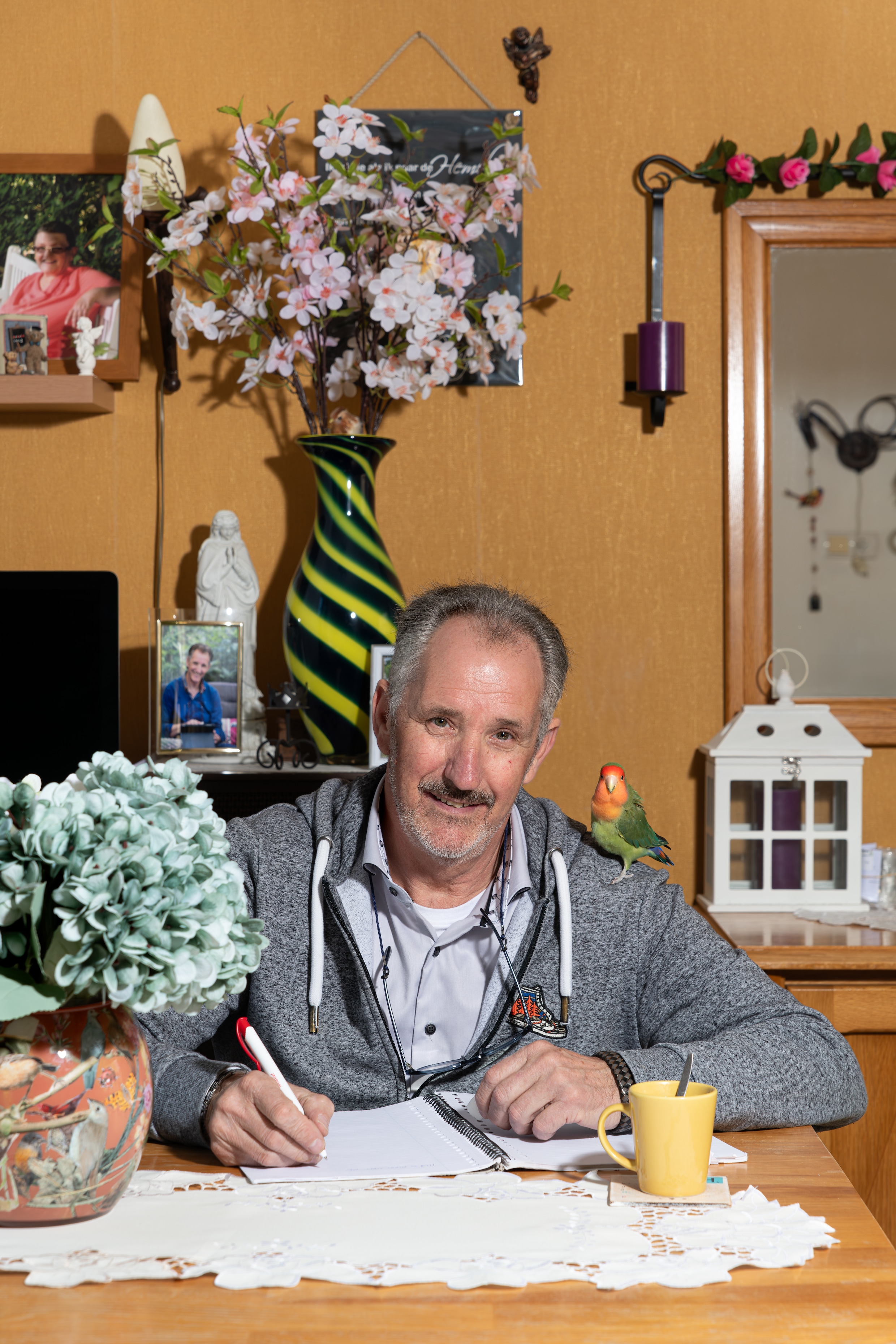
Deathly nervous, Rob Weijers sits in the doctor's office. There is a stack of papers on the desk. He can't remember everything the doctor says. “My attention was only focused on those papers: as long as I don't have to fill out anything.”
For most of his life, Weijers (65) lived with a secret: he couldn't read or write. As a child, he was laughed at and regularly fled from school into the woods. He didn't get help. His wife, who was in a wheelchair in a serious car accident at 27 and had chronic symptoms, occasionally helped him with a letter. But together, they kept his literacy a secret from the outside world.
With major consequences: in the beginning, Weijers was unable to arrange a stairlift for his disabled wife — they both found a visit to the town hall combined with filling out forms too exciting, given her health and his secret. So they decided he would lift her every day, which has contributed to his back problems now.
Weijers was also afraid to officially get married in the town hall, so others would see that he could not read a poem aloud. At work, he signed contracts for “large amounts”, the contents of which he could not control. 'I was under stress 24 hours a day because I was afraid someone would find out. ' At some point, he stopped sleeping. Finally, at 40, Weijers ended up in hospital with heart problems: now he takes medication for the rest of his life.
On paper, everyone in the Netherlands has equal access to care and help. The reality, Weijers' story also shows, is different. The most prosperous and highly educated Dutch people live 25 years longer in well-experienced health than the poorest and least educated, CBS reported in 2022. Over that gap, researchers are now coming up with two new insights in medical journal The Lancet Public Health.
Health disadvantage, measured in Denmark comparable to the Netherlands, is not only found at the bottom of prosperity, but also among people who earn above average and are educated, but are still less well off than the most prosperous top. And: health inequalities play a role in almost every condition, write Anna Vera Jørring Pallesen and her colleagues. Whether it's skin diseases, lower back pain, cancer, cataracts or anxiety disorders: the worse someone's socio-economic status, the greater the risk of such diseases.
“There are not only health disadvantages among one group of people who mainly smoke more often and eat less healthily. You see them in many people and all kinds of diseases,” says Jochen Mierau, health economist and professor at the University Medical Center Groningen, who participated in Pallesen's research. “That means that if you want to do something about diseases, you have to look much wider.”
To the environment, for example: only the richest have a personal trainer, the healthiest food and the peace of mind that they won't fall through the ice. According to Mierau, the new study underlines that you should not wait for someone to report a complaint to the doctor; that is too medical for thought. “This is about how you organize society.”
Insight 1: It starts with stress
How do these health inequalities arise? A clear starting point is chronic stress, says Maria van den Muijsenbergh, general practitioner and emeritus professor of health inequalities at Radboudumc. People who are worse off are more likely to experience persistent stress due to a shortage of money or other problems and soon end up in a spiral of even more stress. Exactly that happened to Rob Weijers: his reading and writing problems were stressful for him, but so were the consequences.
“Chronic stress does very unhealthy things in our bodies,” says Van den Muijsenbergh. 'The hormones that are released directly have a negative effect on metabolism and organs, such as the heart. '
A stressed body falters: this is how inflammatory reactions in the body occur more often, according to animal experiments, among other things. Long-term research also shows that stressed people contract cardiovascular disease much more quickly, also because they are more likely to have higher blood pressure and heart rate. There are also cautious indications that stressed people have weakened immune systems, which may make them more likely to contract infections, according to Swedish research by biomedical scientist Huan Song. into BMJ.
It is not surprising that people with chronic stress sometimes live or make different choices than others. “With chronic stress, it's hard to think about the long term and plan ahead,” says Muijsenbergh. “This makes people more susceptible to addiction, because that is a short-term reward. For example, they're going to smoke more. ' Healthcare should take this into account, said the professor in her farewell speech last year.
Stressed people make choices that sometimes get them deeper and deeper into trouble. In this sense, any socio-economic disadvantage is self-reinforcing, says Lisbeth Verharen, lecturer in strengthening social quality at the University of Arnhem and Nijmegen (HAN). “If you live in poverty for a long time, the chances of health problems are greater. And of course, health problems don't improve your financial situation. '
Weijers hurt himself because of his illiteracy: if he was ever unemployed, he did not apply for benefits, for fear that it would become clear that he could not read and write. Only when he ended up in hospital with heart problems did the consequences of his problem become tangible: he was no longer able to care for his disabled wife at home and so he had to ask for help. He went to the doctor and explained what he had been keeping from me all along. “Then the entire house was also adapted with elevators and a special wheelchair. That could have been done five years earlier if I had figured it out. '
Insight 2: Care is often inadequate or inaccessible
Then there's the help itself: it often doesn't get to people who need it most, say the experts who de Volkskrant speaks. Some of the diseases that Danish hospitals in the Lancet-finding studies more often among socio-economically vulnerable people, Mierau thinks, can occur because they receive help too late or are afraid to seek help. For example, those who have unhealthy blood vessels and do not see a doctor are not only more likely to have heart problems, but are also at higher risk of vascular dementia and may fall more quickly later in life.
The healthcare system is erecting unnecessary walls everywhere, says Van den Muijsenbergh. That starts with the preconceptions of doctors and other healthcare staff, she says. “Some older research showed that some doctors did not offer chorionic villus sampling to test for the baby's genetic disorders. Doctors then think: that will probably not be allowed with Muslims because of their faith. That is already not true, but what matters to me is that, as a doctor, you should just ask. That's where things often go wrong. '
Or take lifestyle help if you are overweight, says Gera Nagelhout, professor of health inequalities at Maastricht University and lecturer at Avans University of Applied Sciences. “Good thing it's there now, but it mainly attracts people who have the time and energy to embark on such a process for two years. The people in poverty are not coming. They have other things on their mind. And we're not doing anything about their poverty and other underlying causes of health problems. '
Poorer people who do know how to find their way to healthcare regularly receive worse treatment, says Van den Muijsenbergh. “A single woman in the neighborhood had to be irradiated for twenty days in a row because of cancer in the throat,” she says. “So she had to go up and down every day. But she doesn't have her own car. You used to have a fee for taxis, but there is no longer one. She finds it difficult to ask someone from the neighborhood. I get that. So she opts for another treatment option, with two irradiations. But it's not so good. '
In addition to barriers such as travel and parking costs, there is the deductible of almost 400 euros per year. This is also why people delay care. This is how the pharmacy organization KNMP reported in her Care Avoidance Monitor last year that almost half of the pharmacies notice that patients are no longer coming to get their medication because they have to pay for it themselves because of the deductible.
At least half of the healthcare avoiders are the first to cut back on the dentist, treasure Patient Federation Netherlands. That can cause them to become socially isolated. “People with ruined teeth are afraid to come to a job interview anymore,” says Katarina Jerković-Ćosić, professor by special appointment of public health and oral care at the University of Amsterdam (UvA). Money also closes the way out here: repairing teeth can cost thousands of euros.
But it is also difficult to participate again in the event of other health problems. Shame plays a key role in this, says HAN lecturer Lisbeth Verharen. Her colleague, experienced expert Jessica van Hinthem, can have a say in this: she herself was in debt with her three children and is now working as a higher professional education lecturer in courses about financial advice. “We were often told to eat vitamins instead of a bag of fries. Like we don't know that. But if your budget only allows for that bag of fries, you choose that. Still, you feel guilty. That self-stigma is ordinary killing. '

Insight 3: Making healthcare cheaper alone is not enough
Is it possible to escape the vicious cycle? Make sure everyone has equal opportunities, says professor Nagelhout. That is easier said than done, because there is no example country that has clearly been able to completely eliminate health inequalities.
While the United Kingdom, Germany and the Nordic countries have reduced many disparities, only to a certain extent, according to research by Clare Bambra from Newcastle University. Although they roughly show what does work: make healthcare cheaper (or free) and reduce wealth disparities.
Solving one thing will not be enough, Mierau emphasizes. “In Denmark, healthcare is almost free, they have no deductible, and yet there are about as many health inequalities as in the Netherlands. This is probably also due to the living environment. In Denmark, for example, people drink a lot of alcohol. '
Japan is an example where the living environment is likely to do a lot of good, Mierau thinks; he has just returned from a working visit to that country. The income inequality in Japan is similar to that in the Netherlands, while the majority of the Japanese surprisingly live in roughly the same health, they concluded Rotterdam and Japanese researchers two years ago. “We don't know why,” says Mierau, “but a lot of people use public transport there. If you're walking through those subway stations all the time, you'll automatically take 15-20 thousand steps a day, and you'll find healthy and cheap food everywhere along the way. I have the impression that's an explanation. '
In the Netherlands, Mierau also has considering that income differences not the only explanation for health differences: in some poor neighborhoods, people appear to be relatively “healthier” than in others. “This is probably due to a better supply of food and more mobility, because of more parks with hiking trails and sports opportunities, and things like that. However, it is challenging to investigate that and make a policy on it. '
Another equaliser from Bambra's history lesson is democratization: make sure people from disadvantaged circles have something to say. The latter is hard to go by, Nagelhout emphasizes. Officials are often stuck behind their own thresholds. “A real mistake was a challenge from the government, where consulting firms were able to win 25 thousand euros if they could explain to officials how to get in touch with citizens. Just walk into the neighborhood, go to a community center and talk. But apparently that's either too exciting or too difficult. '
Especially painful, says HAN researcher Verharen, is that many aid programs are devised by people who are financially well off, and that these plans often miss the mark. 'I wrote a publication about social security with experience experts. They said that the municipality sent information about benefits, but that they did not open the municipality's mail because they found it too exciting. A woman then said she did open one envelope because someone had taken the trouble to write her name on it by hand. '
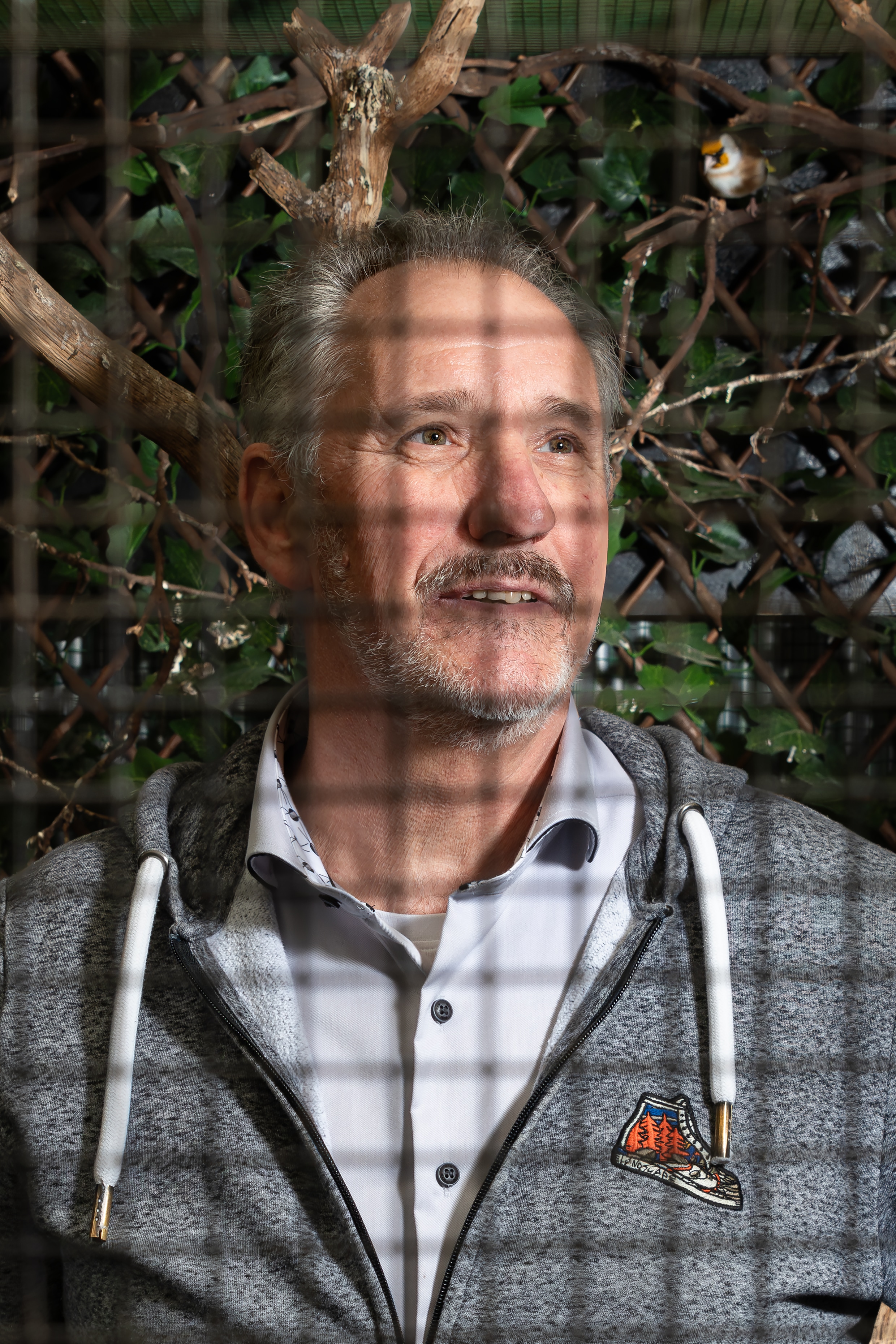
As a low-literate person, Rob Weijers is now traveling across the country to give the government, hospitals and pharmacies tips on how to organize participation for people like him. “When you get to the hospital, you immediately see an untold number of texts. Then your eyes roll in your head. ' He helped to redesign the walking routes in Radboudumc: now there are more color codes and pictures.
Weijers learned to read and write over the past twenty years and is now proud. 'I would have loved to share that with my wife. But she's gone. ' Ten years after Weijers had heart problems and revealed his secret, she developed terminal cancer. “She still had three months to live. And with a course of chemotherapy, maybe three more months. Then she took the chemo so she could make sure everything was arranged for me when she was gone. Because as a low-literate person, you can't arrange a lot of things yourself. '
Three times against intuitive health inequalities
Some health inequalities pose major puzzles to researchers. Certain disorders are very common in one group and hardly in the other. Or, on the contrary, they are more common among highly educated people. How is that possible?
Melanoma. Wealthy, highly educated people are diagnosed with skin cancer in hospitals almost twice as often as people in a lower socio-economic class. Numbers from the Integral Cancer Center Netherlands (IKNL) confirm this. The difference may lie in the many hours of sunshine that someone in a favourable position can afford, but another explanation is that highly educated people in particular go to the dermatologist with spots on their skin. These are then cut out in time, but count towards the diagnoses.
Breast cancer. Women who have a relatively large number of children at an early age are slightly better protected against breast cancer later. That may be the reason that IKNL and the recent Lancet-study breast cancer is more commonly diagnosed among women in a high socio-economic position. Once a woman has breast cancer, the chances of survival for higher educated people are one and a half times greater.
Schizophrenia. Remarkable: for schizophrenia, the socio-economic position appears to cause extreme differences. A man with schizophrenia is four times more likely to have little income and a low education. Now, in theory, it may be the case that they have psychiatric problems more often due to a disadvantaged environment and care barriers, but the connection is probably reversed: those who experience schizophrenia at an early age have less time to study and end up with a lower-paid job.
Source: Anna Vera Jørring Pallesen, et al., The Lancet Public Health 2024
.avif)