“The authorities that have to solve the benefits scandal are the same authorities that caused it”

speaking
“The authorities that have to solve the benefits scandal are the same authorities that caused it”
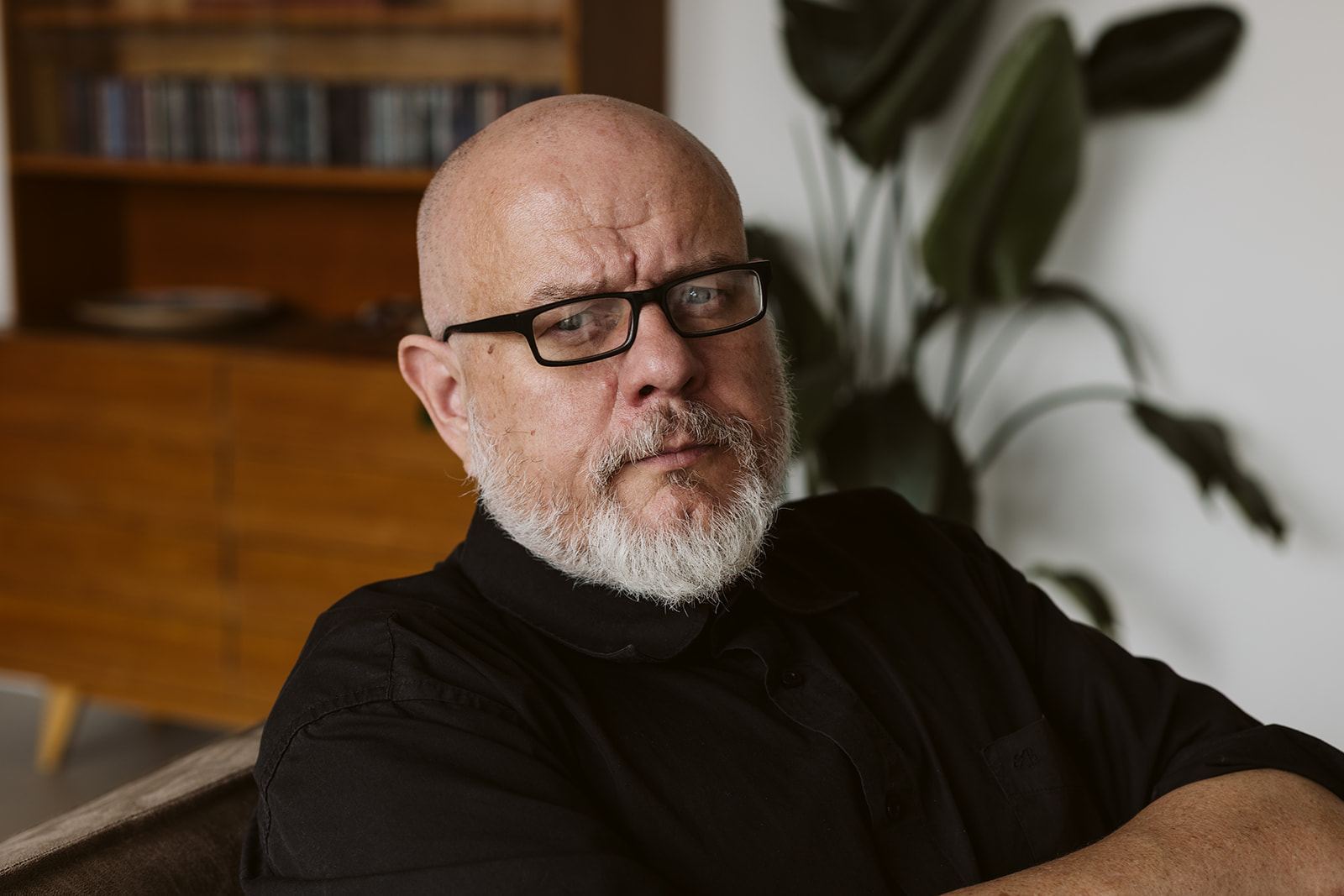
Roelof Jan Minneboo, screenwriter, about the film The Hunt for Meral Ö
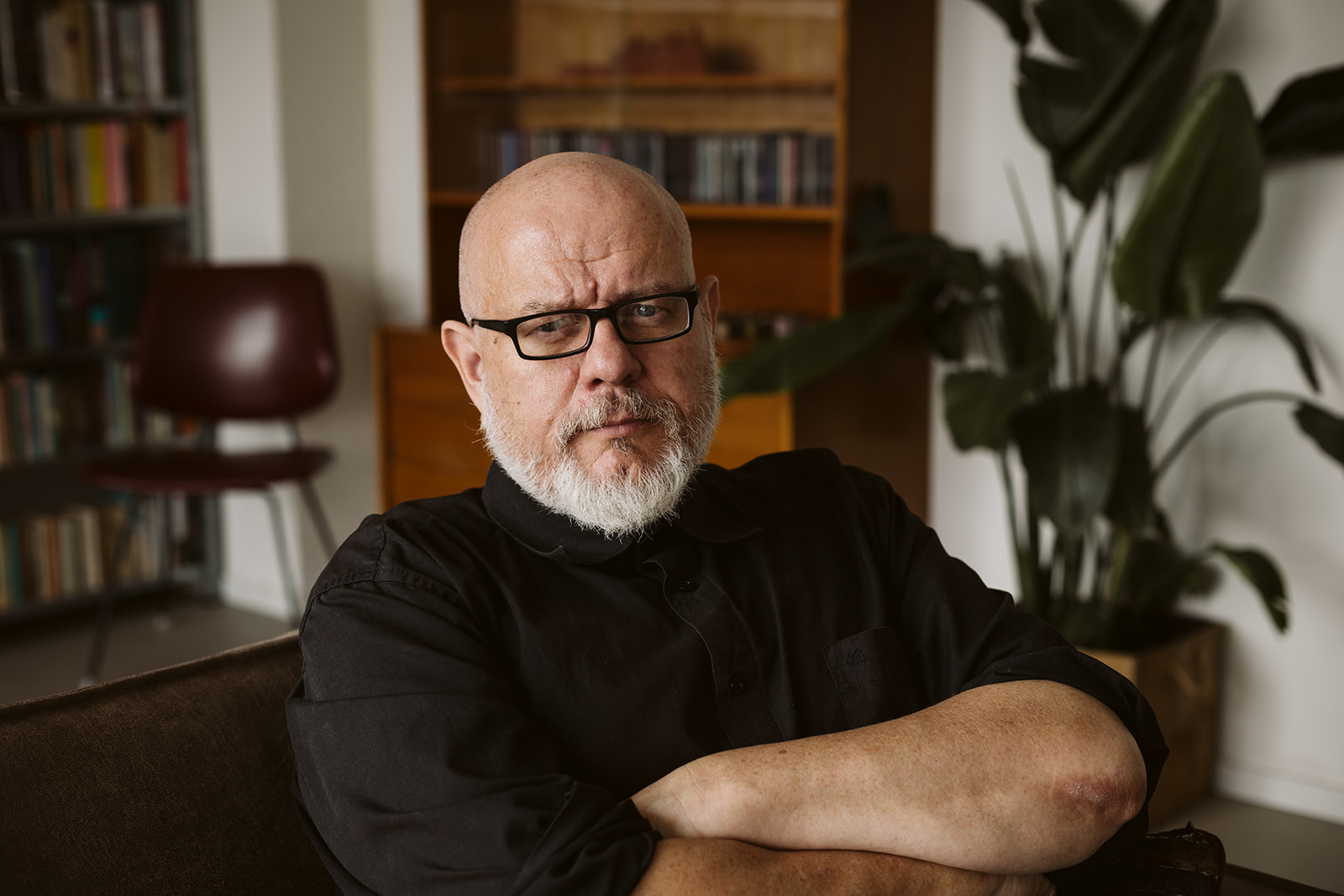
©Lisa Silver
Brenda Stoter Bosco/Editor: Avanti
After two documentaries, Stijn Bouma also made a feature film about the benefits scandal. The Hunt for Meral Ö. tells the moving story of the Turkish-Dutch Meral, who is the victim of an unjust recovery of childcare allowance. Avanti spoke to screenwriter Roelof Jan Minneboo, who also lives in Almere. “In real life, it was even worse.”
The film opens with a letter on the mat and a subsequent phone call to the tax authorities. At first, Meral (actress Dilan Yurdakul) still talks calmly, but as the conversation progresses, she becomes more and more stressed. The appeal she submitted and sent by registered mail miraculously did not end up in 'the system'. Now there is a writ of execution: Meral must repay the 34,000 euros in childcare allowance. How is this possible just like that, in the Netherlands? Throughout the film, the viewer will wonder about it, falling from one surprise to another. The reality, however, was even more poignant, explains screenwriter Roelof Jan Minneboo. “We even toned down scenes because it seemed unbelievable, and we also had to omit things. Suicide occurred among victims but is not in the movie. Stijn also knew a story about a victim who lived in the woods for a while. These are bizarre stories, but they actually happened. '
Stijn Bouma is the director of The Hunt for Meral Ö. Previously, he made two documentaries about the benefits scandal: Alone Against the State (2021) and Sheila versus the State (2023). But it wasn't enough for him. Sheila Versus de Staat hadn't even been released when the idea for a feature film came up. “He still felt a great need to tell the story and bring it to the attention of a wider audience. For Stijn, the two documentaries and the feature film are actually a triptych,” adds Roelof Jan.
The fact that the state is unable to solve it, and that they made it happen, also played a part in the creators' mission. More than fifteen years ago, the first attacks hit people on the mat. The scandal only came to light a few years ago. To date, only a few hundred of the tens of thousands of families affected have received full compensation through the “settlement agreement”.

One of the things that impressed Roelof Jan the most is how authorities worked together, or rather, hunted, victims. For example, in the film, we see Meral applying for special assistance to reach the minimum. This means that she is followed by the inspection. “The tax authorities, the Social Services and Child Protection all worked together,” he explains. “It happened that victims reported to the counter, and when the person who came home, two people were already there to pack the household goods.”
As Meral's life falls apart, a social detective from the Social Services infiltrates deeper into her life. She is followed, photographed and even her laundry basket is searched for signs of cohabitation. The film has a scene where the social detectives discuss the contents of another woman's closets. There was a jar of Calvé peanut butter in the closet, even though she only had Lidl receipts. The social investigator sees this as proof of unreported support by third parties.
Social detectives go a long way, says Roelof Jan, who has heard the stories since the nineties. “Back then, they mainly looked at the number of toothbrushes during home visits; trackers in cars and home cameras have now been added. These are scenes like in East Germany then, and in dictatorships, but in the Netherlands. '
Almere forms the setting for this film. Many scenes were shot in the streets of Almere and in Almere's town hall. The choice of this city was made for various reasons. First of all, many of the victims live here. In addition, the screenwriter found the overregulation well suited the theme of the film. “The bus lines, bike lanes and sidewalks that are all strictly separated, but also regulating the Oostvaardersplassen where birds from all over the world settle: Almere is enormously organized, and that overregulation is related to the benefits scandal,” says Roelof Jan, who also lives in Almere.
With the film, the makers want to show the general public how serious the benefits affair was and how entrenched institutional racism is in these institutions. “For many Dutch people, it is still difficult to accept that there is institutional racism, while it is the people who make choices, people who make the algorithms. Most of the victims, 120,000 adults and children in total, had a non-Western background. Nevertheless, the VVD and the CDA repeatedly and for years denied that it had to do with racism. It's so typically Dutch to always condone what's just wrong. '
In contrast to many other TV and cinema films, the Film Fund requested the lowest possible budget. That was a conscious choice: it felt harsh to make a movie with money that came from the same state that caused the injustice. There was no red carpet, no champagne, no glamour at the premiere. Is he a screenwriter or an activist? Roelof Jan sometimes gets the question, as if he can't simply be both. “That, too, is a bit Dutch. British director Ken Loach's films are just about injustice in British society, and he never gets asked this question. The point here is that the Dutch state has done this to people, knowingly, and that they are still unable to complete it properly. The PVV, together with NSC, now holds sway in the Netherlands. Omtzigt, someone who stood up for the victims, is now in a cabinet with people whose ideas underpinned the benefits scandal. And the instances that need to fix it now are the same instances that caused it. That's incredibly harsh. '
There is a lot of media attention for The Hunt for Meral Ö. The film is well received, even by victims. But there are also victims who found it a painful seat, because the film is so confrontational. One of the Turkish-Dutch victims with whom Stijn had been in contact for years, Derya Selvi, recognized himself very much in the movie. Other viewers also thought it was a film adaptation of her life. A sensitive issue, because in the film, Meral Ö. no longer sees any way out, and therefore decides to sell her body. Derya is afraid that more people will think she was engaged in prostitution when this was not the case.
Roelof Jan wants to correct the misunderstanding: the film is not based on the story of one victim, but on several stories. “Meral's character is made up of all the stories that Stijn has heard. We did choose a Turkish woman as the main character, but that was more because there are rarely any Turkish main characters and I know Turkish culture well,” he says, adding that it was never the intention to insult or make her or other victims feel uncomfortable.
According to him, the film is recognisable to very victims because they were all in the same boat. “We recently had a screening in De Balie. During the aftertalk with the Secretary of State who handles the transaction, two affected people said again: in real life, it was even worse. I hope we keep realizing that it involves a lot of people who have been deeply wronged. '
.avif)