Double discrimination in the Allowance scandal


https://www.nemokennislink.nl/facesofscience/profielen/nozizwe-dube/
Discrimination sometimes occurs in several areas at the same time. In the Allowance scandal, this happened on income and second nationality. This double discrimination is difficult to recognize. How is that?
October 8, 2024
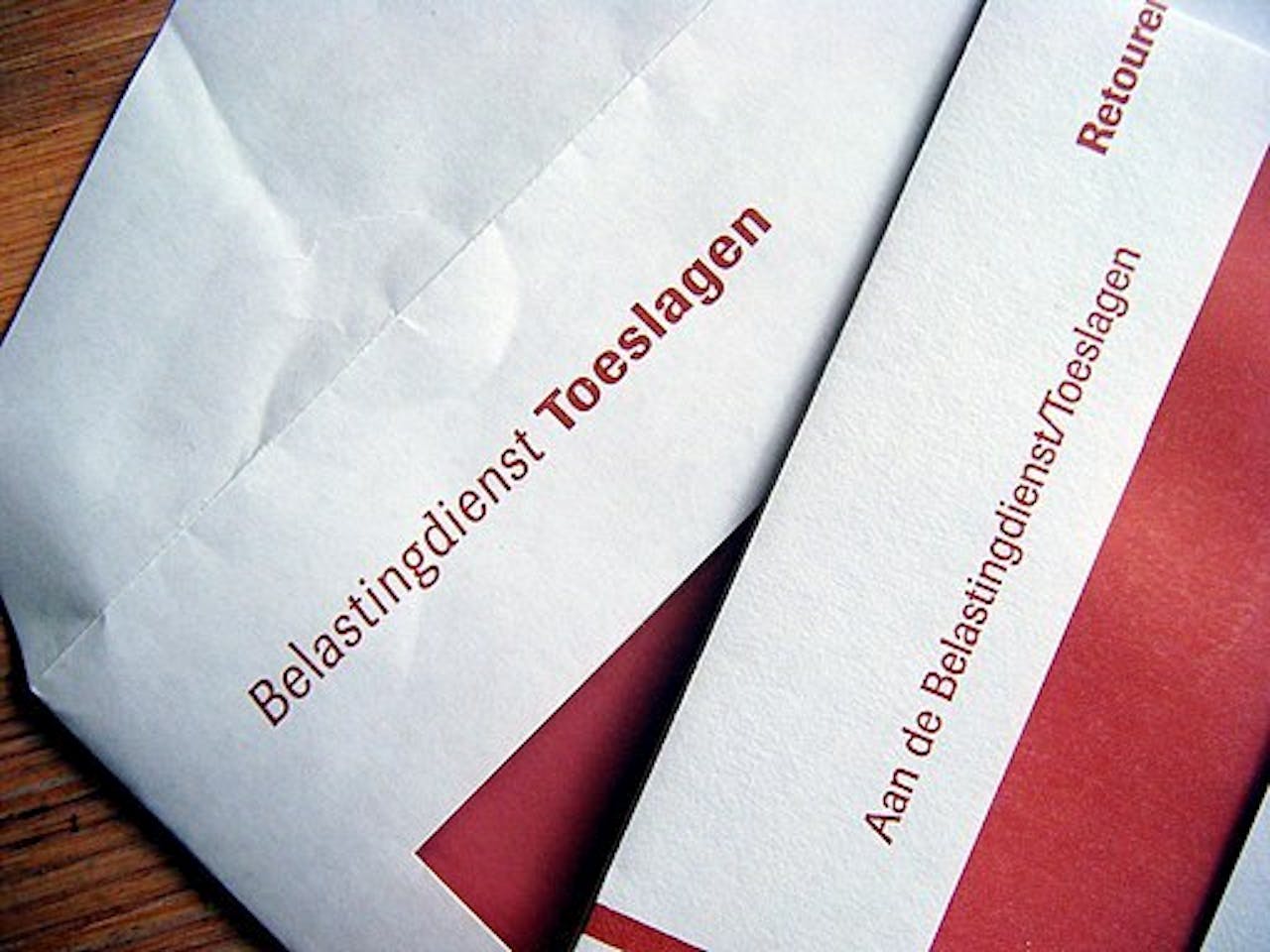
In the Netherlands, parents receive childcare allowance from the tax authorities to pay for childcare for their children. Between 2004 and 2019, the Dutch Tax Service obliged tens of thousands of parents to repay thousands of euros when they were actually entitled to this money. Many of the affected parents even lost their jobs and homes due to rising debts. The Rutte-III cabinet had to resign in 2021 when the facts behind the benefits affair came to light. After all, the Tax Administration had used a predictive and self-learning algorithm to detect possible fraudsters. Since algorithms are trained with data created by humans, human biases inevitably creep in. For example, the tax office's algorithm assumed that low-income parents had a high risk of fraud. The result was that single parents, often low-income mothers, in particular, were labeled as fraudsters by the algorithm. In addition, the algorithm assumed that mainly people with a second nationality were possible fraudsters. Due to large-scale racial and ethnic discrimination in the labor market, many people with a second nationality and a migrant background are ending up in poverty. As a result, these people quickly came into the sights of the Tax Service's algorithm.
Algorithms were also the source of the problem when auditing the Department of Education (DUO) grants for students living away from home. Here, the algorithm assumed that students with parents with a migration background and MBO students had a higher chance of fraud. The reasoning behind this was that students with parents with a migration background often stay close to their parents and that MBO courses are often closer to home, so the DUO quickly concluded that these students had a higher risk profile and were likely to fraud. Disproportionately more checks were made on these students, often quickly deciding that there was fraud. These students had to pay the grant they received and often a penalty on top of it. In March 2024, the former Minister of Education Dijkgraaf had to stop the fraud system because it led to discrimination.
Intersectional discrimination
What do the scandals about the surcharges and the DUO stock exchange control have in common? First, it is striking that the use of algorithms can lead to discrimination because algorithms convert human biases contained in data into automated instructions. Anti-discrimination law must therefore be able to provide a solution to discrimination that is the result of discriminatory algorithms. This differs from traditional discrimination that results from identifiable individuals who discriminate against others in the labor market, in education, etc.

Secondly, it is also striking that most of the victims in both scandals belonged to several disadvantaged groups at the same time. Many were both people with a low socio-economic status and people with a migration background. Socio-economic status is determined by various factors, including educational attainment and income. A low socio-economic status often coincides with poverty. The fact that many of these people belonged to both disadvantaged groups at the same time increased the risk of discrimination for them. The tax authorities algorithm may not have labeled someone with a migration background but a high income as a possible fraud. This suggests that for many victims, it was about the coincidence of discrimination based on low socio-economic status and ethnicity. Only when both forms of discrimination are considered at the same time does the extent of the victims' disadvantage become clear. This is called intersectional discrimination, or discrimination based on two or more identity characteristics at the same time.

Anti-discrimination laws
Although intersectional discrimination is common, it remains difficult to recognize in case law. This has to do with how anti-discrimination laws are written. Anti-discrimination laws often assume that everyone experiences discrimination based on one ground of discrimination at a time. As a result, judges often reason in the same way when dealing with anti-discrimination lawsuits. However, the benefits scandal and the Duo scholarship checks show that this is not the case for everyone. This was mainly about the coincidence of the grounds of race, ethnicity and low socio-economic class, but intersectional discrimination can be about any combination of grounds for discrimination. To show how the formulation of equal treatment principles and prohibitions on discrimination can make it easier to recognize intersectional discrimination, we can outline a comparison between the constitutions of the Netherlands and South Africa.Article 1 of the Dutch Constitution reads as follows:
All who are in the Netherlands are treated equally in equal cases. Discrimination on grounds of religion, belief, political opinion, race, gender, disability, sexual orientation or any other ground is not allowed.
Article 9 (3) of the South African Constitution reads as follows:
The State may not discriminate unfairly against anyone, directly or indirectly, on one or more grounds, including race, gender, pregnancy, marital status, ethnic or social origin, color, sexual orientation, age, disability, religion, conscience, beliefs, culture, language, and birth.
A comparison of the two equal treatment principles reveals an important difference. The Dutch constitution seems to assume that discrimination takes place on the basis of one ground of discrimination at a time. In particular, the phrase “or on any ground” suggests that discrimination can only take place on the basis of one ground of discrimination at a time. Many other equal treatment principles and prohibitions on discrimination around the world are similar to those of the Netherlands. In many of these countries, it still remains difficult to recognize intersectional discrimination. On the other hand, the South African Constitution makes it very clear that discrimination can also be the product of two or more grounds of discrimination that interact. The phrase “on one or more grounds” opens the door to a clear recognition of intersectional discrimination. The case law of the Constitutional Court of South Africa, where intersectional discrimination has long been recognized, reinforces the conviction that the formulation of equal treatment principles and prohibitions on discrimination can make a big difference for victims of intersectional discrimination.
.avif)