How is the settlement of the benefits affair going now? - what is the state of affairs one year after the fall of the cabinet
OUR NEWS•POLITICS•ECONOMY•JANUARY 15, 2022
How is the settlement of the benefits affair going?
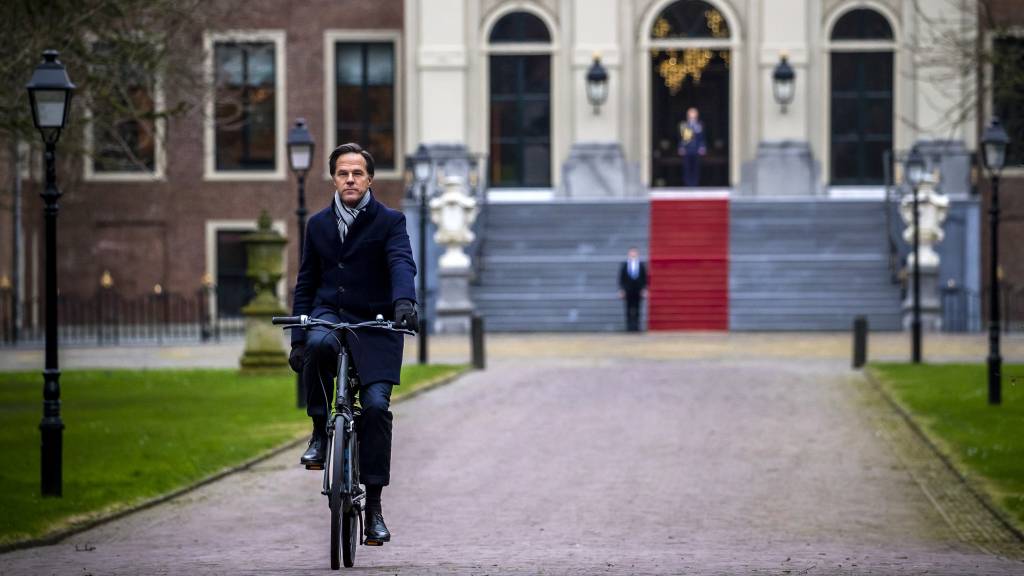
“It's a black page in the history of the Dutch government,” Prime Minister Rutte wrote exactly one year ago. That day, the cabinet resigned because of the childcare allowance affair, which, in Rutte's words, turned the lives of tens of thousands of people into “a swamp of misery”.
The then cabinet promised to get better: in a long letter to Parliament improvements were proposed that should prevent repetition. What has become of the most important promises so far?
1. Faster and wider recovery for parents
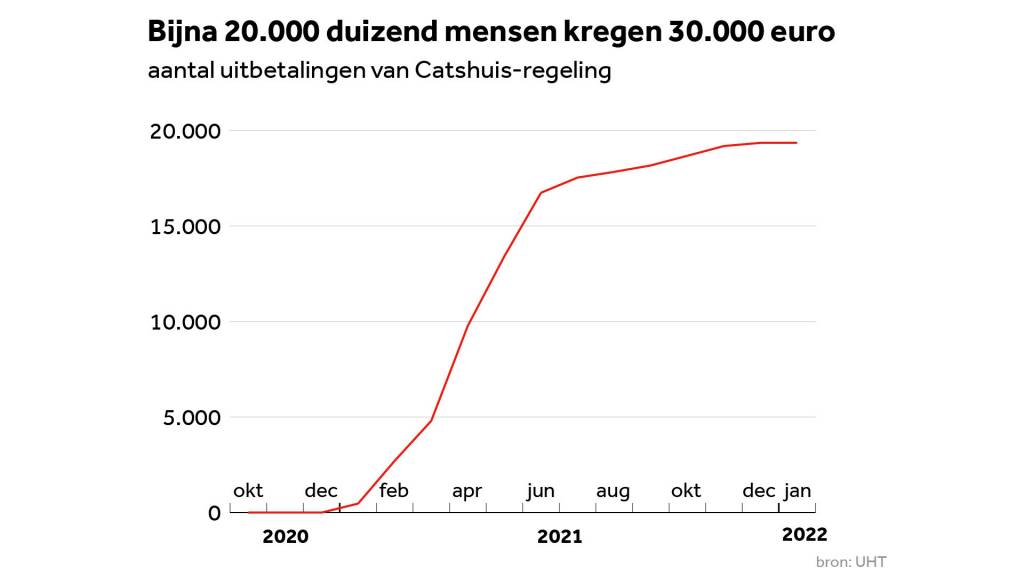
One promise was at the top: help all affected parents as soon as possible. The then Secretary of State Van Huffelen made a few weeks before the fall of the cabinet known that affected parents would receive 30,000 euros after a brief check of their file.
But it was precisely this arrangement that turned out to be very delayed, as the number of applications has increased considerably from then on:
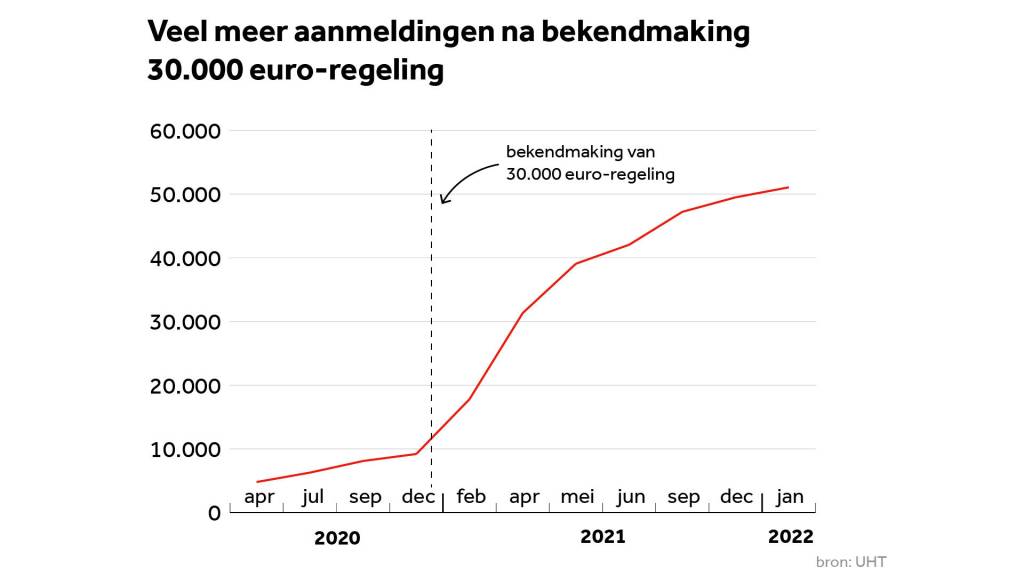
Almost half of these people did not pass the first test; some of them did not even appear to have children. Others, on the other hand, received 30,000 euros, even though they had participated in fraud. In any case, all those applications provided the tax authorities with a lot more work.
As a result, tens of thousands of parents are still waiting for a more comprehensive assessment. This takes a lot of time: compiling a personal file, for example, takes an average of almost three working weeks, because, among other things, it is necessary to check that it contains no personal data. More than a thousand people are now working on the recovery operation.
Most parents also don't have a personal case handler yet, who they can go to with questions:
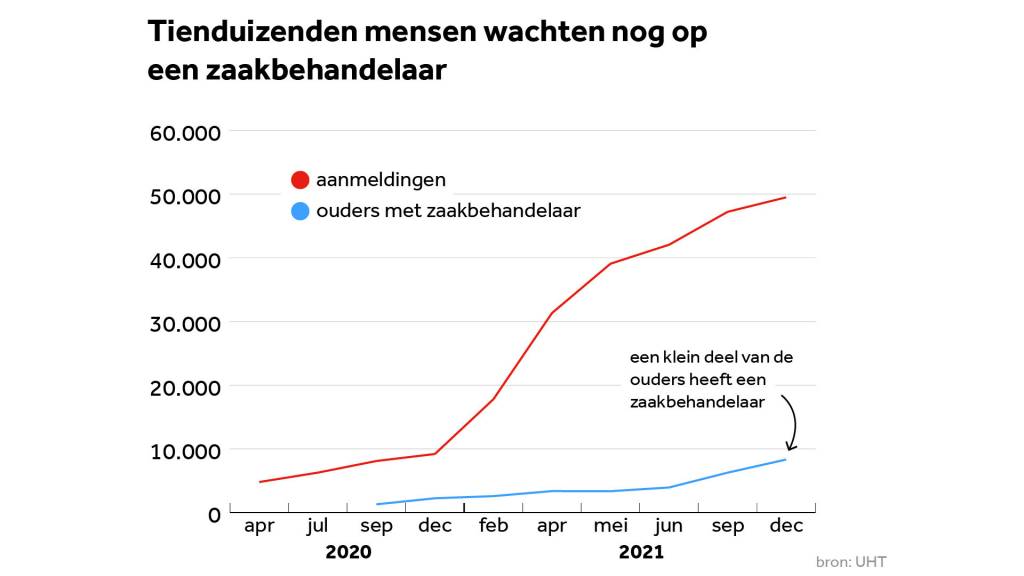
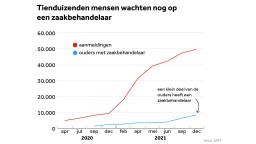
A month ago, Van Huffelen promised re that help for parents is being improved. For example, municipalities will help parents more quickly. Parents are also more likely to have a personal conversation. In the meantime, there is still a lot of extra work ahead for the tax authorities, because also for ex-partners and children there will be additional arrangements.
2. Money not to creditors, but to parents
Another problem that loomed up was that compensation money was paid directly to creditors, because many parents were heavily indebted as a result of the benefits affair. That is why Van Huffelen promised to cancel government debts and those of to take over private creditors.
Government organizations have been erasing the debts of victims for a number of months now. For private debts, victims can now report to the Social Banks Netherlands.
There is some resentment among victims, because informal debts with friends and family are only recognized if a notarial deed has been made of it. Many victims did not do that, partly because of the costs. The government is not taking over those debts right now.
3. Strengthening services
Many victims received poor or no answers to questions for years. That is why Rutte promised a year ago that government services would be improved, including by expanding the number of tax office locations and surcharges that you can visit.
That has happened, says the Ministry of Finance. There were already 21 counters in tax offices where people could report. In the last six months, nine support points in municipal offices have been added, especially outside the Randstad.
4. Discrimination and use of nationality
Parents who think they have been discriminated against, referred Rutte to the College for Human Rights in his letter. Victims can ask for an opinion there; 55 people have done so far.
But it's still going to be a while before the first case comes to fruition. The Board first wants to conduct a general investigation into discrimination in the case of surcharges. The results are expected sometime this year; no individual meetings will be scheduled until then.
5. Stop surcharges in their current form
“It's no longer possible to continue like in the past,” Rutte wrote a year ago: there must be a new allowance system, where parents are no longer fully responsible for funding. That plan is also in the new coalition agreement. The first steps will have to be taken by the new Secretary of State for Fees and Customs Aukje de Vries.
Politics will also look back next year. After the interrogation committee, the House of Representatives will begin a parliamentary survey in the summer to reflect on this “black page in history”.
.avif)