Hundreds of Turkish Bulgarians involved in new tax fraud

News
Hundreds of Turkish Bulgarians involved in new tax fraud
Benefit fraud Hundreds of Turkish Bulgarians applied for childcare allowance without their child going to daycare in the Netherlands. A 61-year-old suspect went to court on Thursday.
- Authors
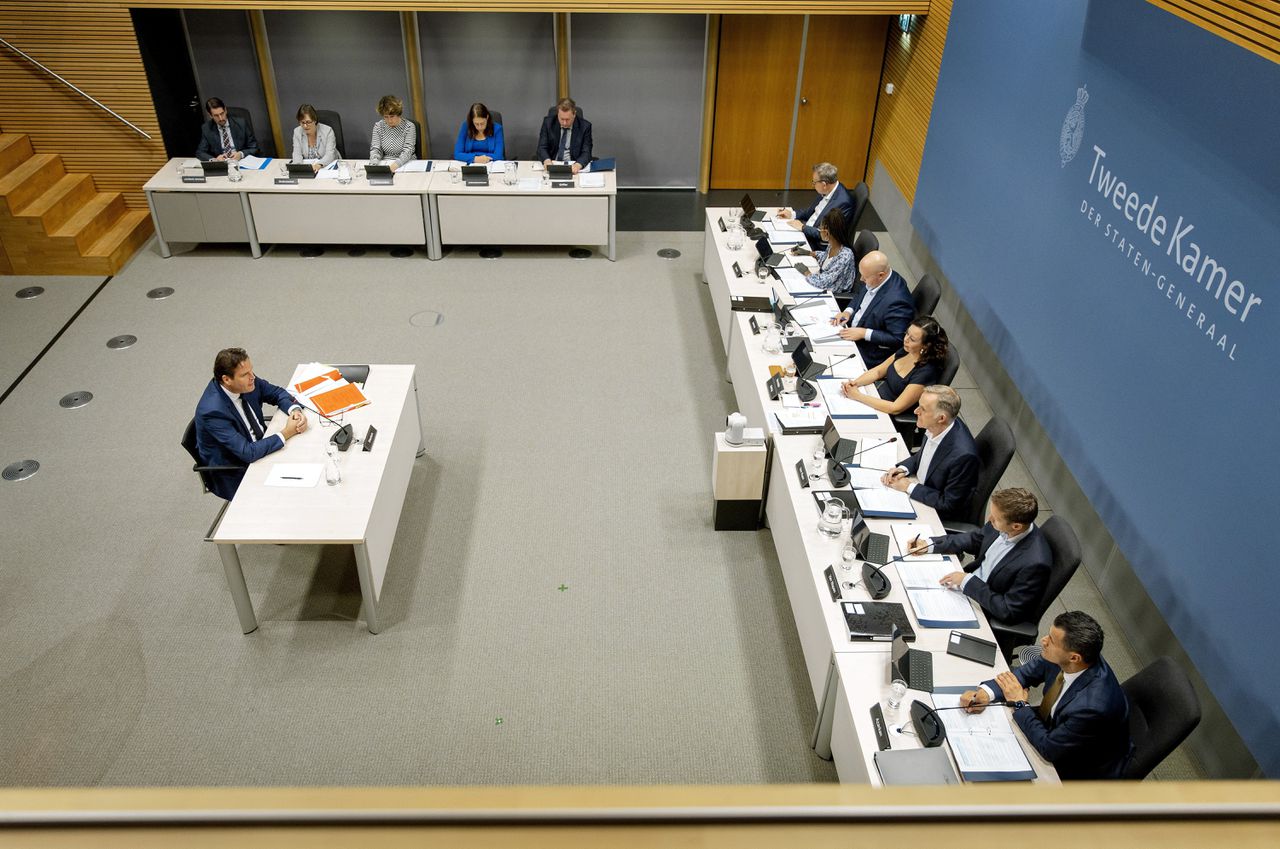
Photo: Koen van Weel/ANP
Hundreds of Turkish Bulgarians who mostly live in the Netherlands have abused the allowance system, according to the Public Prosecutor's Office. They applied for childcare allowance without their child going to daycare in the Netherlands. A Turkish-Dutch suspect who ran a clandestine “allowance office” from Dordrecht collected a total of five million euros in surcharges for them, says the Public Prosecutor.
The 61-year-old suspect had to appear on Thursday because the judge must decide on his pre-trial detention. The Public Prosecutor wanted to detain him longer because it is feared that the man will flee to Turkey. According to his lawyer, that was not necessary: “This man has been living in the Netherlands for 44 years and will not flee to Turkey”. The judge did not agree and extended the suspect's custody. The substantive hearing of the criminal case is scheduled for next year.In April this year reported former Secretary of State Aukje de Vries (Supplements, VVD) told the House of Representatives that the FIOD investigation service investigated signs of fraud involving surcharges by “people from abroad, specifically from Bulgaria”. Now, for the first time, the extent of the case is becoming clear.
Size
According to the Public Prosecutor, a total of 330 Bulgarians unfairly applied for childcare allowance through an intermediary. The size may actually be even larger, because the research only goes back two years. Other surcharges may also have been fraudulent, but this has not been investigated. In parallel, another investigation into organized tax fraud by Bulgarians is underway. In that investigation, four Bulgarians were arrested last month, who collected childcare allowance for people in their network using the same trick. The scope of that case is still under investigation. The fraud trick is simple. The Bulgarians register themselves and their children at the municipal counter and receive a BSN. In doing so, they go to their intermediary who creates a DigiD, with which the allowance can be applied for. If the tax authorities notice that the application is incorrect, it is too late: the advances have already been paid out. Some Bulgarians in the investigation collected advances of 50,000 or even 70,000 euros per person, according to the subpoena. Ten percent went to the intermediary, as compensation for their services. The applicants did not respond to letters from the tax authorities about the incorrect applications.
Bulgarian fraud
The case shows similarities with the 'Bulgarian fraud' more than ten years ago. At the time, the tax authorities paid out four million euros in health care and rent benefits to hundreds of Bulgarians who were not entitled to them. The case was the reason for the Benefits affair, which sparked a fraud hunt for tens of thousands of families who were unfairly accused of fraud. They had to pay back their entire allowance and ran into financial problems. Due to the scandal, the Fees Service stopped intensive checks in 2020. They were only restarted in December 2023. Then-Secretary of State Aukje de Vries suggested in April that the new Bulgarian fraud remained unnoticed for a long time, partly because of this. By “shutting down” fraud detection, the Surcharges Department was able to “barely” respond to “signs of possible abuse” for three years, she wrote. The allowance system remains vulnerable to abuse, De Vries also said. To ensure that people receive their childcare allowance on time, they are paid an advance before it is checked whether the application is correct. “This involves risks of fraud.” After the restart of fraud controls, signals of possible unfairly requested surcharges have been coming in since this year. The Bulgarian fraud is discovered by chance when multiple requests are submitted in a short time from the same IP address in a short period of time. This is noticed by the DigiD system administrator, Logius.
Arrest
In July, the FIOD arrested a Turkish woman in her sixties who allegedly applied for the surcharges for the Bulgarians. According to sources around the investigation, lists of more than 700 social security numbers, DigiD data and associated passwords were found at his home in Dordrecht, with which he was able to request benefits. He would also have done this from Turkey. The man is suspected of fraud and forgery. An alleged partner has also been arrested, who would track down new “customers” to make applications. The submitters of the false requests that were heard are Bulgarians with a Turkish background. They moved to the Netherlands and would have ended up with the main suspect in Dordrecht via “word of mouth”. The unfairly paid millions are probably difficult to recover. “Of course, we are doing our utmost,” former Secretary of State De Vries said earlier in the House, “but I also have to be honest: this can be quite complicated in foreign situations, especially if we have worked with incorrect addresses and we have no further contact details, so to speak.” In addition, the Benefits Affair has changed the rules for recovering unfairly received surcharges. More account is taken of the applicants' circumstances. For example, less money has to be reimbursed if the unjustified allowance has been requested by a third party, as seems to be the case with the Bulgarians.Correction on October 31: An earlier version of this article spoke twice about “child benefit”. This is not correct, it concerns childcare benefits. This has been updated.
Read also
Politicians and citizens are far from getting rid of the surcharges

A version of this article also appeared in the newspaper of November 1, 2024.
.avif)