In three days, the risk model that supported the fraud hunt was built

Parliamentary fraud policy survey With the help of Deloitte, benefits officials set up a risk model in 2013. No one realized that this model could get citizens into big trouble. “It's super sad.”
- Authors
- Published onOctober 2, 2023
- Reading time 3 minutes
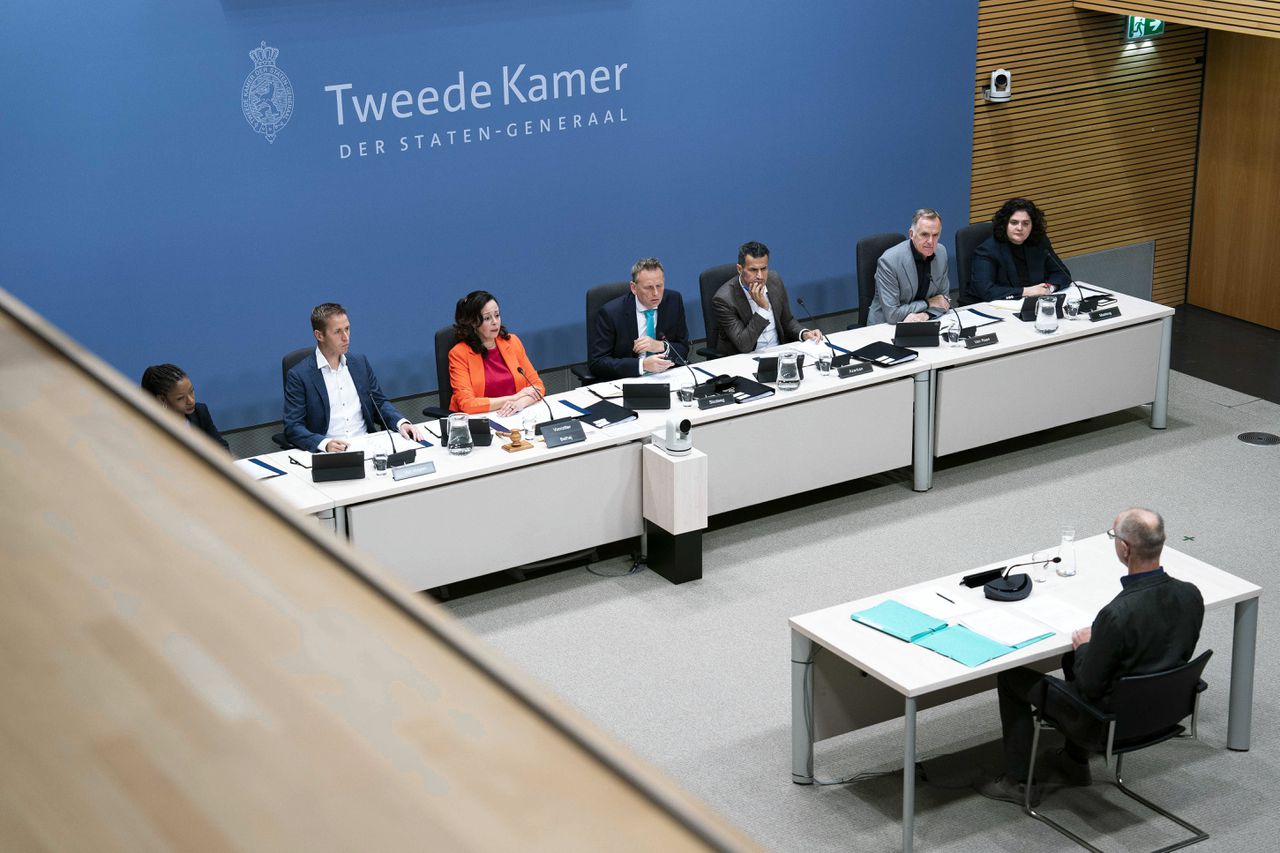
If key scenes need to be identified in the Benefits scandal, this is one: the coronation weekend, at the end of April 2013. While Willem-Alexander is sworn in and inaugurated king of the Netherlands in the Nieuwe Kerk in Amsterdam, a group of officials and consultants will develop a data model in one long weekend that should now sound the alarm in case of irregularities in citizens' applications for benefits. With coffee and pizza from the top official in the benefits department, the team will create a “risk classification model” in three days. It will be deployed immediately. A proposed longer test phase, with additional months to trial and evaluate, will be deleted. And results quickly roll out — and things go wrong. Citizens who make mistakes are considered fraudsters and dealt with harshly. The consequences of the derailed fraud hunt have now been frequently mentioned by the Parliamentary Committee of Inquiry. The risk classification model was one of the many ingredients of that all-out tough approach. But about the causes — the times when the seeds of all the misery were planted — many of the officials interviewed in recent weeks remain misty, much to the chagrin of the committee members.
Contract with Deloitte
On Monday, their frustration was felt again during the interrogation of Paul Veringmeier, the official who oversaw enforcement at Surcharges and who led the development of the risk model during the coronation weekend. According to Veringmeier, the model was never intended to detect fraud at all. It was just supposed to detect common mistakes and thus improve the system, he insisted. “The goal was to prevent problems for citizens, not to create problems.” Veringmeier called the fact that payment recipients later found that they had been labeled fraudsters, partly due to the use of data from the risk classification model, “super sad”. But his team only pointed out errors and irregularities, he insisted. Nor had he received signals that the data from the model was being used improperly.
Read also
Recovery from the Allowance Affair grows into a very expensive, official juggernaut

Veringmeier's explanation sounded contradictory, even with the rest of his own story. Because he explained the rush to introduce the system, just like benefits director Gerard Blankestijn did earlier, at the same time as a result of the political and social unrest about Bulgarian fraud. This came to light in the spring of 2013, when it turned out that Bulgarians had registered themselves through criminal gangs in the Netherlands and were thus unfairly receiving benefits. At the time, senior officials of the Benefits Department felt they were dismissed, even within the tax authorities, as a bunch of idiots who could not detect any form of fraud. Two weeks after the first reports about the Bulgarian fraud, in a current affairs programme Focal point and at RTL, the contract with consultant Deloitte was signed and the risk classification model was a fact. Veringmeier: “Due to outside pressure, the normal course was disrupted and we did what we did.”
Mistake became fraud
Veringmeier's memories were also not supported by Sander Koemans, who led the consultants who developed the model on behalf of Deloitte. Koemans was not there at the coronation weekend, but was involved in the development from June 2013 to early 2016. From the start, everyone was aware that the model showed both fraud and errors, he told the committee. “It was completely clear to everyone involved that the distinction between the two cannot be made on the basis of the data.” The inadequate distinction between errors and fraud is a crucial recurring element in the investigative work of the Committee of Inquiry. Where one official or model identified an irregularity, the other official then read such a check mark or risk score as an indication or even evidence of deliberate fraud.
It was completely clear to everyone involved that the distinction between errors and fraud cannot be made based on the data.
Sander Koemans, manager of model developers
It didn't help that Deloitte's consultants were barely documenting their work for the tax authorities all along. No written documents have been preserved from the crucial coronation weekend, and little is known about the reasons for including indicators in the model. Koemans was also unable to recall whether his team had ever considered the consequences for citizens identified by the model as a risk factor. He assumed that the Fees Department had taken care of that, he said. “I was not involved in order acceptance.”
Warning mail
In addition, he had to recognize that the officials who decided on the success of the system were often officials who had provided the indicators in that system (such as nationality, income or distance from a childcare address) themselves, like a butcher who inspects his own meat. In practice, the risk classification model was widely used, not just to detect errors and help citizens. For example, it is now known that the fraud hunters from the so-called CAF (Combiteam Approach Facilitators) teams and other investigation teams searched for fraud based on data and addresses from the risk model, sometimes with a mention in the model as the only reason. Koemans had warned about this, he said, citing an email he sent in January 2016 as evidence. “We recognize that the risk score in the organization is becoming increasingly important,” he had written, while the model was no longer functioning properly and was outdated at that time. “In addition, we see a better understanding of the meaning of the scores within the organization as an essential prerequisite.” The recipient of that email was the then team leader, enforcement director. His name: Paul Veringmeier.
Read also
Human Rights College: indirect discrimination by the tax authorities in the Allowance affair

A version of this article also appeared in the newspaper of October 3, 2023.
.avif)