'Even without making a mistake, you could become a victim of the Allowance Affair'

“Even without making a mistake, you could become a victim of the benefits affair” InterviewSandra Palmen | Member of Parliament (NSC) In 2017, she sounded the alarm about the abuses that would later become the Allowance scandal. What does Sandra Palmen think of the report on fraud policy? “There was an ongoing fraud hunt.” AuthorsDenise Retera. February 26, 2024
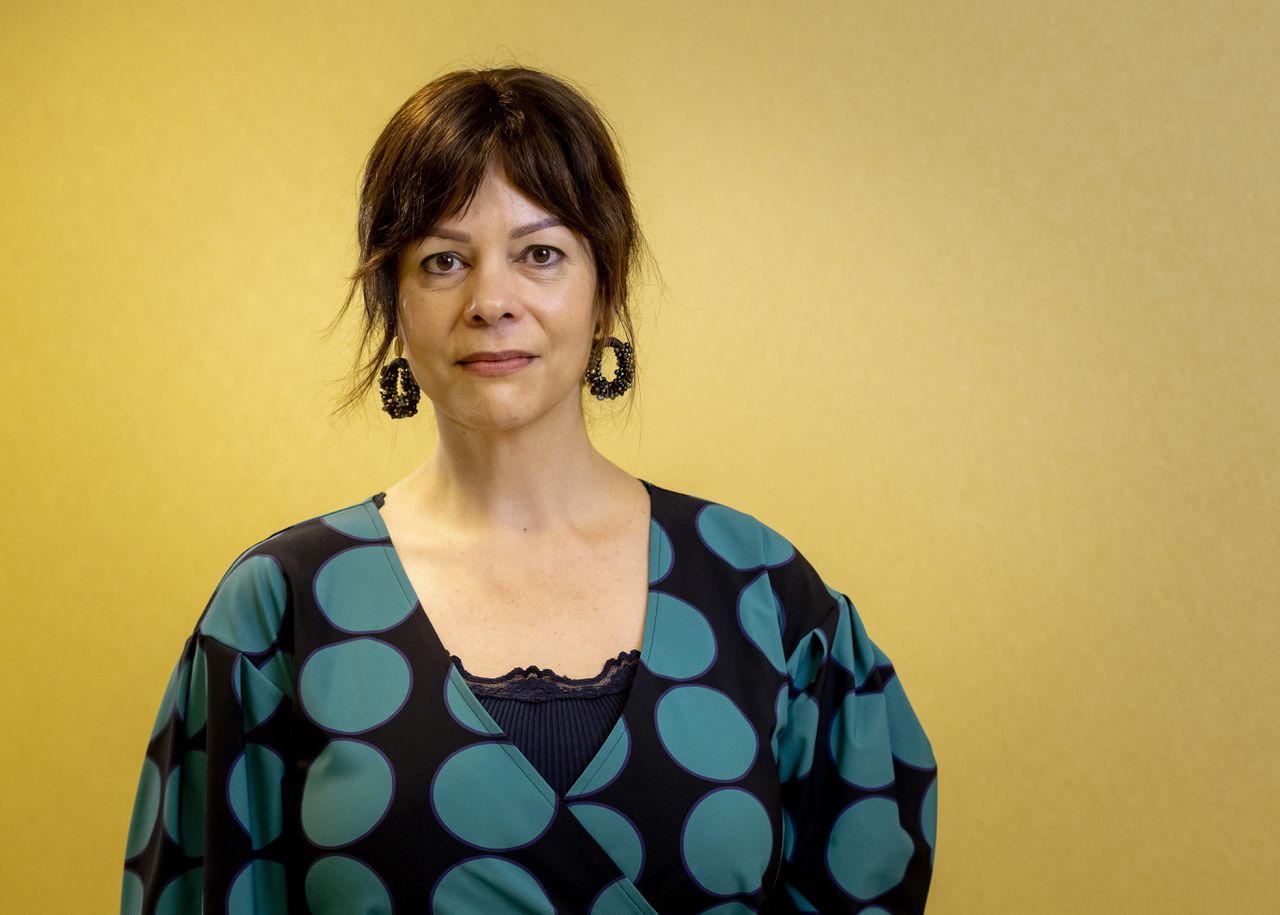
Sandra Palmen, member of the House of Representatives for NSC. Previously a top lawyer at the Tax Service. She misses one thing in the report on the government's fraud policy presented on Monday. “It says that people who made a small mistake were classed as fraudsters. But people who had not made a mistake were also classified as fraudsters,” says NSC MP Sandra Palmen. Palmen has been in the House of Representatives since last December. Previously, she worked as a top lawyer at the tax authorities and became known for the “Memo palms”. That was critical internal advice that she wrote in 2017. In it, she raised the alarm about stopping childcare benefits and advised that victims of what would later be called the Benefits Scandal be compensated. Her advice was ignored. The report by the Parliamentary Committee of Inquiry on Fraud Policy, presented on Monday, is largely about how the Benefits scandal could have happened. And aside from that one thing, Palmen agrees with the conclusions and recommendations. In short: both the legislative, executive and judicial branches have failed and as a result, people's lives were “crushed”. The patterns that underpinned this still exist and therefore another scandal could “happen again tomorrow”. “What I really recognize,” says Palmen, “is the picture that the legislation was unclear on a number of points and that the implementing organization then had to implement it, and that it was not familiar with it and went for an all-or-nothing approach. Without putting the people involved first.” This approach meant that parents had to repay the full childcare allowance even in the event of a minor error.

Also read “We didn't save anything or anyone in our report,” says fraud researcher Van NispenState powers Palmen particularly agrees with one of the recommendations: the recommendation to review laws under the Constitution. That was also one of the spearheads of the NSC election program last autumn. And she thinks it's a good idea to disconnect the Administrative Justice Department from the Council of State, the highest judge in childcare allowance cases, and the government's advisory body. It was this department that approved the all-or-nothing approach for years, according to the committee of inquiry. “In this organization, you see a mix of tasks between advice and case law,” says Palmen. “It is important to allow the three state powers to function independently.” According to the committee of inquiry, the entire system has failed. Would it have mattered if the Memo palms hadn't disappeared into a drawer? But yes, Palmen thinks. “You couldn't have prevented the scandal, but you could have significantly limited the damage. There was an ongoing fraud hunt and if my memo had been picked up in 2017, everyone would have known from then on: fundamental rights are being violated here.” If my memo had been picked up in 2017, everyone would have known: fundamental rights are being violated here.So that could happen again tomorrow, according to the committee. And he also points to the House of Representatives. She has passed laws with flaws. And she still regularly deals only superficially with important laws. “In the House, I see that people mainly respond to the issues of the day,” says Palmen, “while it is very important to follow legislation carefully. But then, as a House, we must receive accurate and complete information. It has often happened that important information was only provided afterwards.” She also has one point of criticism. The report recommends adding a proportionality provision to a particular law, preventing “disproportionately adverse effects” of a law for citizens. “But,” says Palmen, “that provision has been in place a long time ago. We may have more tools than we realize.”
Read also The Council of State must split, again
A version of this article also appeared in the newspaper dated February 27, 2024.
.avif)