In the event of major affairs, push the bureaucracy aside for a while

In case of major affairs, put the bureaucracy aside. Opinion allowance affair In case of major natural disasters, repair damage as quickly as possible and prevent it from happening again. This should also happen in the event of major administrative disasters, argues Ina Brouwer.Published on March 11, 2024

Photo David van DamWe actually already know the conclusions from the report Blind voor man en recht by the Committee of Inquiry in the House of Representatives. In a hardened political climate, the three state powers have been blind to man and law in their fierce hunt for possible fraudsters.
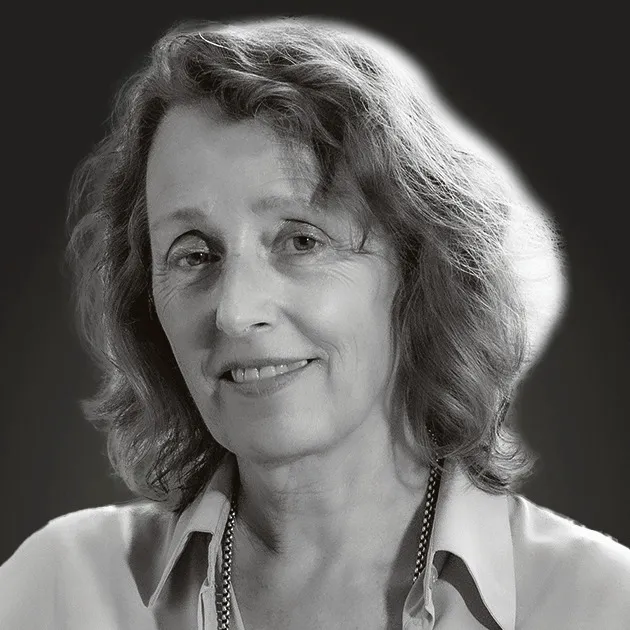
Ina Brouwer is a lawyer and former Member of Parliament (GroenLinks). Nice report, but what now? This is the understandable response of the victims of the Benefits Affair who are still waiting for the damage to be settled. Meanwhile, the other major scandal, the Fraud Signaling Facility (FSV) affair, has not been dealt with either. In 2022, the Data Protection Authority fined the tax authorities 3.7 million euros for the unlawful registration of 270,000 citizens, often of non-Dutch origin, on the so-called “black list”. That's the FSV. People on that list receive no debt counseling, no permits, but intensive checks by investigators. As a lawyer, I myself assist a garage owner who was the pride of his family and the surrounding area. He had a good reputation with the municipality and with the tax authorities until a robbery suddenly took place in 2014 by five investigators, apparently looking for undeclared workers and scams. Repeated phone calls with the tax authorities were of no use. Years of misery followed with unfair fines and no one at the tax authorities responsible. The garage ended up selling far below market value. Garage owner and brother in the sickness law. What the hell was going on? This became evident in 2021 when a letter from the tax authorities fell on the doormat saying that the garage owner had been unfairly on the FSV list since 2014. Why? That wasn't included.Repairing disasters of this magnitude requires an emergency plan, because the longer it takes, the greater the damage and the higher the costs.A request for access (made possible by the AVG Privacy Act) provided the answer: the 2012 income tax return was the reason, although a few months later the return was approved unchanged. His registration in the FSV was maintained until it was inactivated due to action by the Data Protection Authority. Nevertheless, no compensation. We have been litigating for almost two years now and we don't know why this garage owner was blacklisted — by the way, he is Moroccan-Dutch. The tax authorities are doing everything they can to create procedural obstacles. We therefore continue to litigate to the Council of State. The Council of State? Yes! But weren't those judges who gladly approved the harsh benefits approach? The garage owner, once an active member of a political party and a wholehearted defender of the Dutch rule of law, has become cynical. No faith in politics, nor in Dutch judges. I'm trying to give him that faith back a little bit, but it's easy to talk.Read also

The benefits report is too cynical about weight, own recommendationsNow, with the report published last week, there is Blind to people and justice another picture of unprecedented large-scale failure — and that includes the FSV affair — of Dutch politics, justice and institutions that are actually supposed to protect people. The recovery operation does not give an idea of urgency, but was set up along bureaucratically usual lines. Now, four years later, many people are still waiting for compensation. The cost of repairing the Benefits Affair was estimated at 310 million four years ago. The counter now stands at more than 7.2 billion euros. And there is no end in sight yet. Around 30 percent of the amount goes to carrying out the recovery operation, often hired external experts. Of course, that has to be done and can be done differently. Rehabilitation from disasters of this magnitude requires an emergency plan. The longer it takes, the greater the damage and the higher the costs. This is evident from the financial statements alone, but also from the traumas that people have suffered. Other disastersA comparison with other disasters is obvious. Floods, such as in Zeeland in 1953, or the Meuse flood in 1993 and the imminent floods in the Rivierenland in 1995 with the evacuation of around 250,000 residents. The aim of the recovery operations was: repair damage as quickly as possible and prevent it from happening again. In 1953, the Delta Commission was set up within twenty days with the task of developing a Delta Plan for Zeeland. After 1993, the large-scale Water Safety and Room for the Rivers Project was set up in a hurry. So it's an engineering approach. Is that also possible in the event of social disasters such as the benefits and the FSV affair? According to the Blind for Human Rights report, the House of Representatives does not need a government to speak harsh words about the fraud approach. Nor does it need a government to establish a Delta Commission on fraud recovery with the aim: to repair damage to victims within one or at most two years and to develop new practices to prevent recurrence. Preferably at the same time as the FSV affair. This will require some of the usual procedures to fail. It is especially effective when there is close cooperation with the victims. It's the only way to restore a bit of faith in politics and the rule of law.Correction 12/3: An earlier version of this document misstated that the tax authorities had imposed a fine for unlawful registration on 540,000 citizens. That has been improved above.A version of this article also appeared in the newspaper of March 12, 2024.
.avif)