Justifying in good faith

Justifying in good faith
- Authors
- Hans Dammingh
- Published on May 8, 2021
- Authors
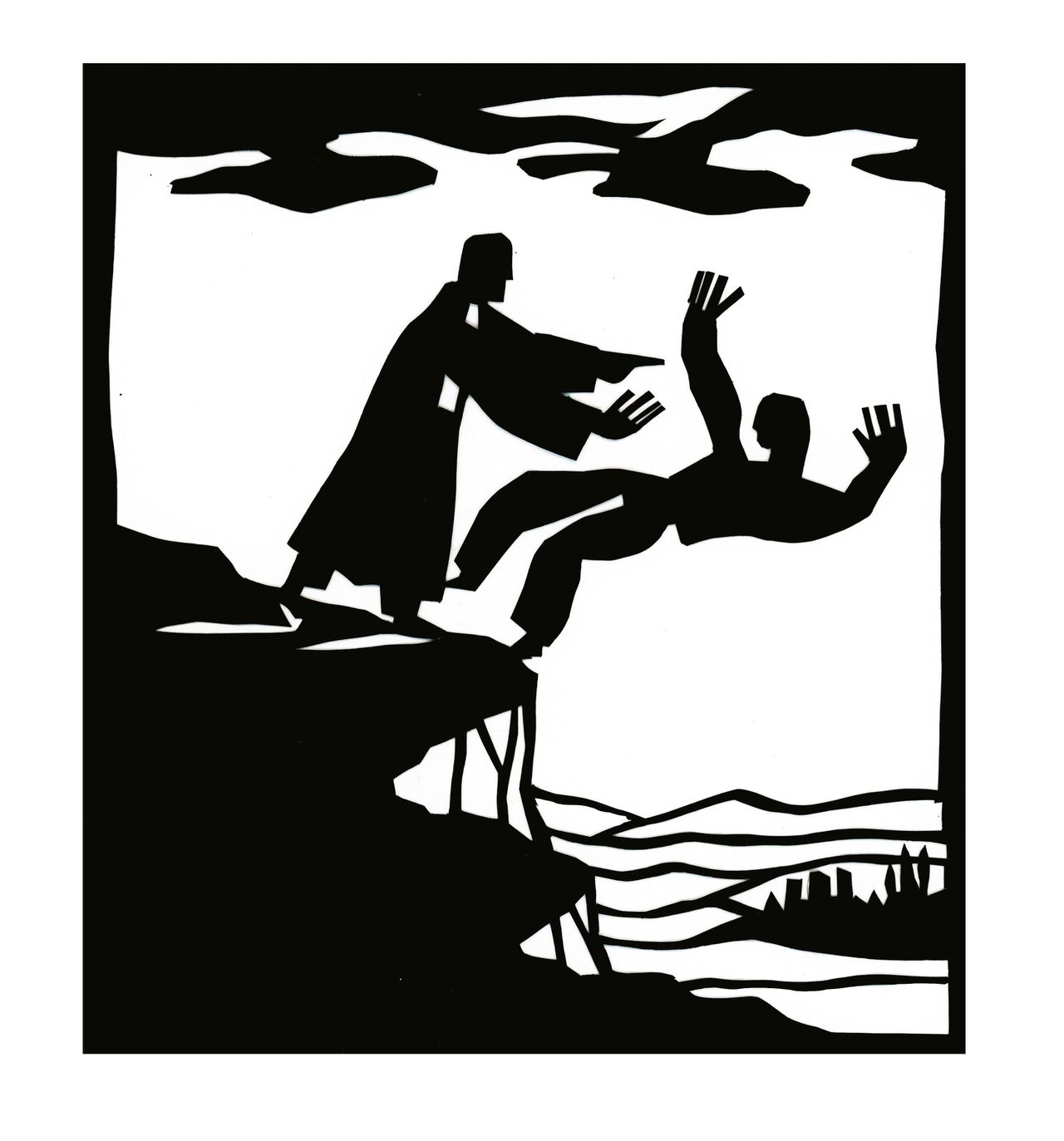
In February 1943, three judges of the Leeuwarden court defied the occupying forces. The case revolves around a theft. A sentence of up to nine months would be an appropriate punishment for the thief. This would mean that the man must serve his sentence in Camp Erika in Ommen. This “prison camp” is under the German regime, there is a veritable reign of terror. The execution, starvation and beating of prisoners is the order of the day, and the judges sentence the thief to only the time he has been in custody. The ruling states that they did not impose a higher sentence “for the sake of conscience”. As a tribute to the courage of these judges, the ruling was included in the pronunciation register on rechtspraak.nlHerman Hermans, former Vice President of the Courts of Amsterdam and Leeuwarden, believes that this ruling is also important for today's judges. What do you do as a judge when you are dealing with a law that makes for an unjust decision? Hermans draws a comparison with the Allowance Affair: “How much do you take the space to listen to your conscience, even if that law doesn't seem to offer that space. In short, how conscientious are you as a judge?” In the case of the child benefits scandal, this last question is rhetorical: there was no conscientious judicial action. For years, many judges of the Administrative Justice Department of the Council of State left thousands of victims out in the cold without offering them any legal protection. What's more poignant is that the law did offer the space to make decisions “with a human touch” in all individual cases. Leonard Besselink, professor of Constitutional Law, makes no bones about this: “To say that the councils of state (judges) were asleep as lawyers is an insufficient qualification for how they dealt with the law: at least it's about not wanting to know what the law entails. A first-year student — or let's say a second-year student (who, after all, can be expected to look not only at the law but also at the Explanatory Memorandum) — would fail.” It is now up to the judges in the Administrative Law Department of the Council of State to look this monster in the face. Hans Dammingh
Hoevelaken
Correction (May 10, 2021): An earlier version of this letter attributed a quote to Tom Eijsbouts, professor of European law. That had to be Leonard Besselink, professor of Constitutional Law. This has been adjusted above.
A version of this article also appeared in NRC Handelsblad of May 8, 2021.
.avif)